
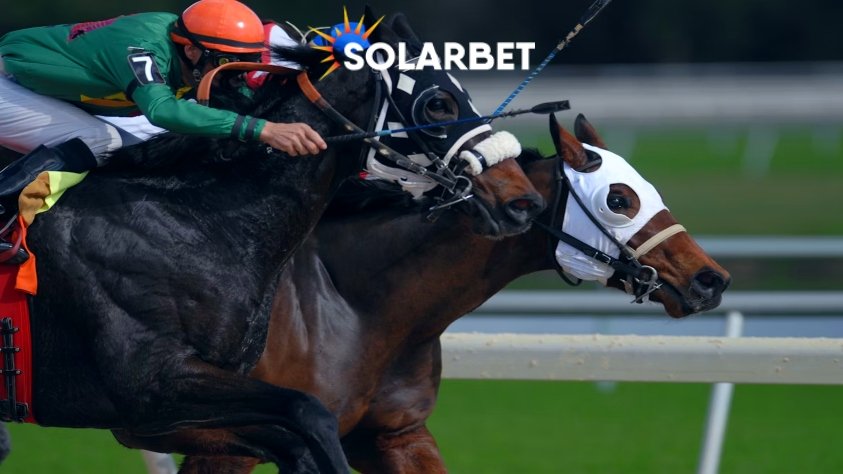
Each spring, early Derby prep races quietly begin to shape the path to Louisville, and the John Battaglia Memorial Stakes is one of the most telling. While it rarely produces overnight stars, it has earned a reputation as a proving ground where emerging contenders first make their presence known. Sports betting enthusiasts often watch these races closely for insights.
The 2026 edition promises both opportunity and complexity. A full field, an uncommon all-weather surface, and valuable Kentucky Derby qualifying points create a competitive environment that rewards careful evaluation. Understanding the structure of the race, its strategic significance, and the nuances of the track can provide a clearer perspective on which horses are genuinely stepping into Derby contention.
How the Race Works
Before looking at betting angles, it helps to understand the structure of the event itself. Knowing the framework makes everything else easier to evaluate.
Race Basics at a Glance
The 2026 running takes place on Saturday, February 21, at Turfway Park in Florence, Kentucky. It is contested at 1 1/16 miles on a synthetic Tapeta surface and is open to three-year-old thoroughbreds.
The purse is estimated at $175,000, and the top five finishers earn Kentucky Derby qualifying points on a 20-10-6-4-2 scale. Those points alone ensure competitive fields and serious intent. It’s often a litmus test for Derby ambitions.
The All-Weather Tapeta Difference
Turfway Park’s Tapeta surface is the defining characteristic of this contest. Unlike traditional dirt, Tapeta tends to reward balance, stamina, and adaptability. Horses with turf experience often handle it well, while some dirt-only runners struggle to reproduce their best form.
For beginners, this creates an important lesson: not all speed figures and past performances translate equally across track types. Understanding surface preferences can matter just as much as raw talent.
Why It Matters on the Derby Trail
This race sits at a key crossroads in the Derby prep season, bridging early winter experiments and the high-stakes races of March and April. It offers connections a chance to test ambitions without fully committing to a Derby path.
Rather than a must-win scenario, it often functions as a diagnostic tool. Trainers use it to evaluate how a developing horse handles the surface, the distance, and the added pressure of running for qualifying points.
A strong performance can point a runner toward the $777,000 Jeff Ruby Steaks, Turfway Park’s premier Derby prep, while a weaker effort may prompt a shift to dirt or turf elsewhere. That uncertainty is part of the appeal, asking bettors to evaluate horses still revealing who they are.
Beginner-Friendly Ways to Bet the Stakes
Once the structure and significance of the race are clear, betting concepts tend to feel far less intimidating. For beginners, the most effective strategy is to keep wagers simple, focusing on bets that are straightforward and easy to follow.
Straight bets remain the most approachable options, particularly in a large and competitive field. These wagers ask you to focus on how a single horse finishes, rather than predicting complex outcomes:
- Win: Your horse must finish first,
- Place: Your horse must finish first or second,
- Show: Your horse must finish first, second, or third,
- Across the Board: A combination of win, place, and show on one horse.
Across-the-board bets are popular with newer bettors because they offer multiple ways to collect a payout, even if the horse doesn’t win. The trade-off is that returns vary depending on the final position, making them more about coverage than upside.
The morning line provides helpful context without demanding deep analysis. It reflects an early estimate of public betting, not a predicted finish, and can highlight overlooked horses with strong Tapeta form that merit a closer look.
Key Factors Beginners Should Watch in the 2026 Field
This event rewards thoughtful analysis over guesswork. Focusing on a few core factors keeps things manageable.
Surface Aptitude Comes First at Turfway Park
Tapeta performance should be a top consideration in evaluating the John Battaglia Memorial Stakes 2026. Horses with prior success on synthetic tracks or consistent turf form often have a clear advantage over dirt-only rivals making their first attempt on the surface. Tapeta rewards balance, stamina, and adaptability more than raw early speed, meaning a strong sprinter on dirt may not automatically translate to success here.
Race-specific previews and Turfway-focused analysis become especially valuable in this context. Detailed coverage of the 2026 Stakes highlights runners with proven aptitude on similar surfaces, helping bettors separate genuine contenders from those whose past performances may not carry over. Understanding these nuances can make the difference when assessing how the race might unfold.
Speed Figures and Form: Kept Simple
Speed figures provide a shorthand for performance, adjusting for distance and conditions. One standout number matters less than a pattern. Gradual improvement often signals readiness more reliably than a single flashy effort.
Beginners benefit from asking one simple question: is this horse moving forward at the right time? That lens helps separate genuine progression from one-off performances.
Trainer and Jockey Familiarity with Turfway
Certain barns and riders consistently perform well at Turfway Park. Familiarity with Tapeta nuances, how races unfold, when to move, and how pace develops, adds subtle advantages. That experience often translates into cleaner trips and better timing.
These patterns rarely guarantee outcomes, but they do help explain why some horses exceed expectations on this circuit. Local familiarity often shows up in subtle but decisive moments.
Managing Expectations and Betting Responsibly
The race’s unpredictability adds to its appeal while reinforcing the need for responsible wagering. An intentional approach keeps the experience engaging and sustainable.
A few simple habits can help bettors stay grounded while still enjoying the action:
- Set a budget before race day and treat it as a learning investment,
- Focus on races that make sense rather than betting out of obligation,
- Remember that insight and long-term understanding matter as much as short-term results.
Viewed that way, the event becomes less about chasing results and more about reading form, spotting progress, and building confidence for the Derby season ahead.
Watching the Race With a Sharper Eye
By the time the gates open, this contest becomes more than a betting opportunity. It turns into a test of observation. Watch how horses handle the surface, where they settle early, and which ones finish with purpose.
Those details often echo later in the season, sometimes in places far bigger than Turfway Park. Approached with curiosity and restraint, the 2026 running offers beginners something valuable: a deeper understanding of how promising careers quietly take shape, one stride at a time.





 Live Chat
 639604732281
 @solarcs